
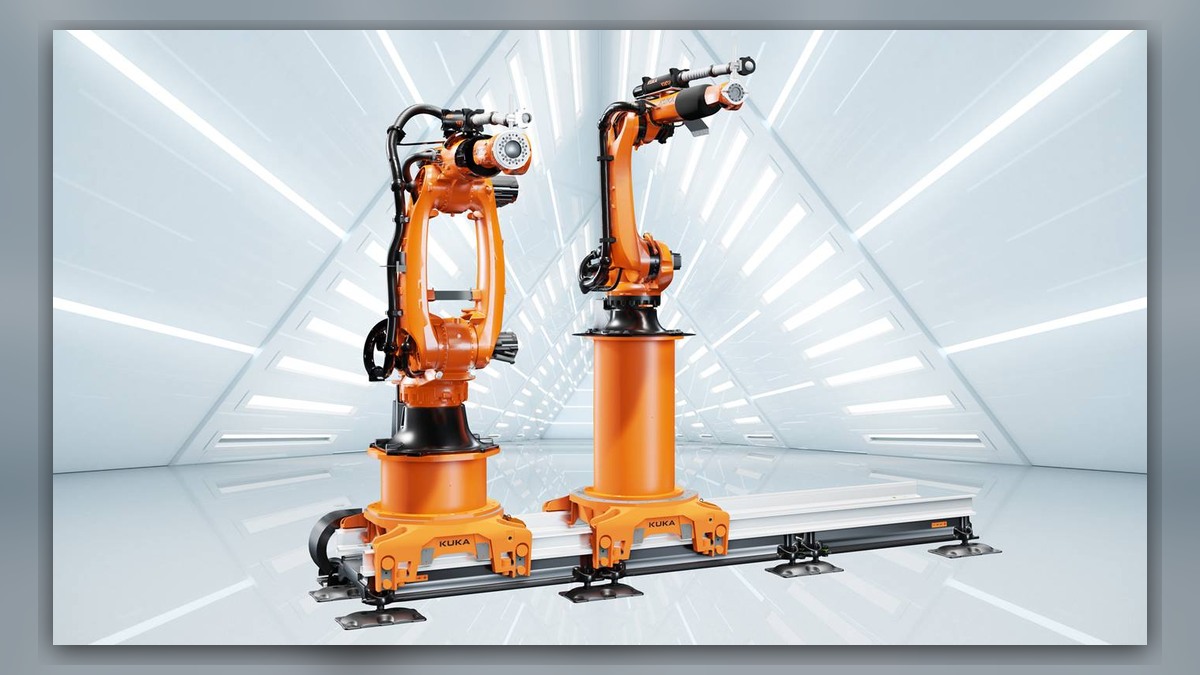
A repeatable coating deviation should be documented before any KUKA painting robot repair is authorized. Uneven coverage, an altered edge, a visible overlap, or a changed spray pattern is a production symptom, not proof that the robot or one of its components has failed. A useful handover record lets a specialist compare the production result with the robot motion, paint-system behavior, workpiece presentation, and recent process history.
This guide applies to KUKA painting robots of unspecified model when a repeatable path or coverage deviation has already been observed. The installed robot, paint equipment, controller, application device, software version, and cell configuration must be confirmed from equipment records. The guide does not define model-specific alarms, service intervals, parameter values, component compatibility, or repair procedures. It also does not replace the applicable KUKA documentation, paint-system instructions, site risk assessment, or competent service process.
Start with equipment and production identity
Record the robot nameplate information, controller identity, installed cell or line, affected booth or station, and the date and shift of the observation. Include the affected application program, program revision or approved change reference if available, and the specific path section where the result changes. State whether the deviation occurs on every cycle, intermittently, or only under a defined production condition.
Identify the workpiece and fixture precisely. Record the part number or internal workpiece identifier, orientation, fixture identifier, locating condition, and any relevant change to the carrier or presentation system. Note whether the same result occurs on more than one workpiece or fixture. A deviation limited to one fixture or presentation condition does not establish a robot fault; it directs attention toward workpiece location, fixturing, or process setup for further review.
Describe the coating result objectively
Use words that can be checked against production evidence. Record the affected surface, path segment, direction of travel, and type of result, such as thin coverage, excessive coverage, an edge shift, visible overlap, missed area, or an altered transition. Add photographs or approved inspection records where permitted by site procedure, preserving the workpiece orientation and a clear reference to the affected area.
Record when the result was first noticed, the last known acceptable production condition, and whether the deviation follows the robot, the workpiece, the fixture, the booth position, or the application sequence. Do not convert a visual result directly into a conclusion about an axis, motor, encoder, cable, controller, pump, valve, nozzle, or other component. The evidence should show what changed, not presume why it changed.
Separate robot observations from paint-system observations
For the robot, record the operating state at the time of the observation, including whether the approved program was running normally, whether the robot stopped or reported a fault, and whether the apparent deviation is associated with a particular path section, orientation, direction, or transition. Note any visible hesitation, unexpected pause, unusual motion, or changed approach only when competent personnel can make the observation under the equipment-specific safety procedure. Do not enter the cell, defeat safeguards, or repeatedly reproduce an unsafe condition to obtain evidence.
For the paint system, record the application device and relevant process state as identified in installed equipment records. Document material identification, supply or preparation status, application mode, cleaning or changeover activity, and any observed change in atomization, flow, pressure indication, or triggering sequence, where those observations are available through approved operating interfaces and records. Avoid treating a changed coating result as evidence of a paint-system fault unless the process evidence supports that branch.
Record recent changes and diagnostic branches
List changes made before the deviation appeared. These may include a program edit, workpiece or fixture change, application-device adjustment, material change, cleaning activity, maintenance intervention, booth condition change, or controller or cell configuration change. The timing of a change is useful evidence, but it does not prove causation.
If robot motion appears different while paint-system indications remain consistent, the review should compare the affected path, approved program, workpiece presentation, and robot operating records. This may support a robot-motion or program-related branch, but it does not by itself establish a failed component. If robot motion appears consistent while coverage changes with application conditions, the review should examine the paint-system branch. That observation does not exclude fixture, material, environmental, or workpiece-related causes. If both motion and coating behavior change, preserve both records and avoid assigning responsibility to one subsystem prematurely.
Define the repair handover and release conditions
A repair review should receive the equipment identity, affected program and path section, workpiece and fixture details, dated coating evidence, robot operating observations, paint-system observations, recent changes, relevant records, and the exact question requiring specialist assessment. Repair authorization is appropriate only after the symptom is documented well enough to define the suspected scope and the equipment has been placed in the condition required by site safety procedures.
After any approved intervention, verification should use the applicable equipment documentation and the site’s controlled production or inspection method. Confirm the correct program, workpiece, fixture, application condition, and operating state. Record whether the affected path section and coating result return to the approved condition, whether any limitation remains, and who authorizes release. A successful verification supports return to production for the tested conditions; it does not prove that every possible operating condition or component is fault-free.