

Servo Motor Repair for Industrial Robots — Page 2
15 articlesServo motor repair begins with the fault evidence, not a replacement part. Record the motor label, robot and drive models, first alarm and failed motion stage. Use this page to define the inspection scope and choose a detailed fault guide. The full motor code and available test setup determine which checks can be agreed.
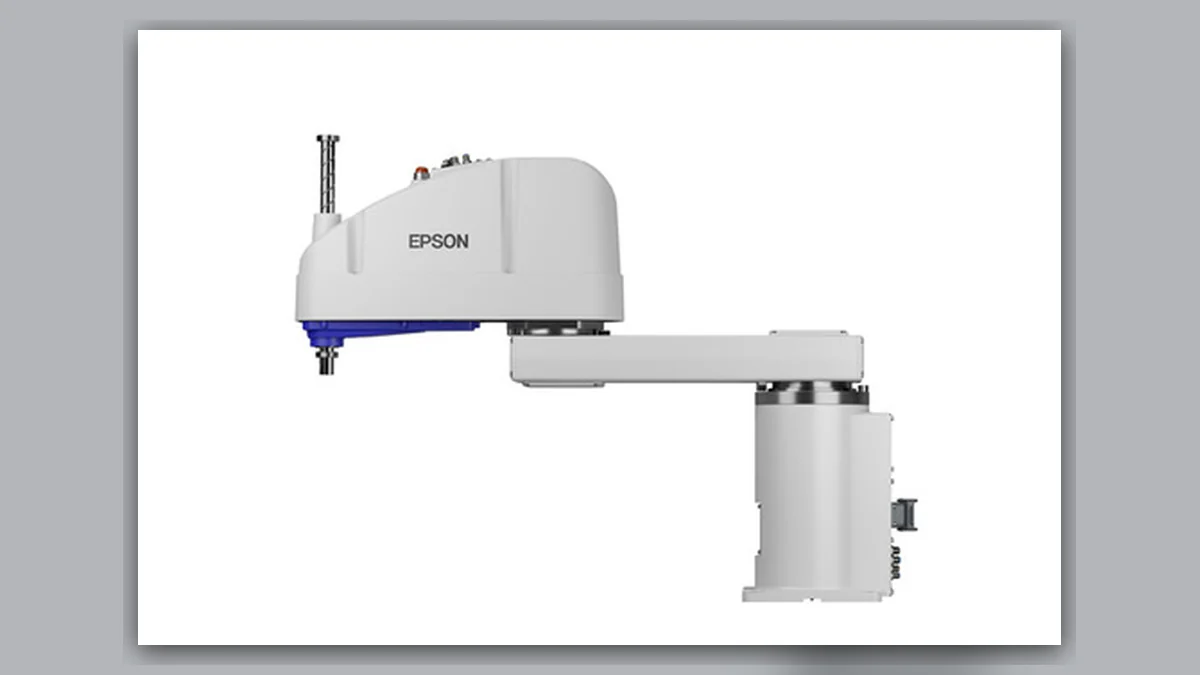
Epson GX10-C651S SCARA Robot Servo Motor Repair
The Epson GX10-C651S is a high-precision four-axis SCARA robot commonly used for electronic component assembly, precision dispensing, and high-speed sorting of small parts. Its servo motor is characterized by low inertia, high responsiveness, and smooth low-speed operation, making it suitable for small-amplitude, high-frequency movements and high-precision positioning.
Read article →Repairing an OTC-DAIHEN Robot Servo Motor That Will Not Rotate
Servo motors in OTC series welding robots are the core drive units for axis movement, path reproduction, and orientation adjustment. Their operating condition directly determines welding path accuracy and the stability of coordinated robot motion.
Read article →
Epson SCARA Servo Motor Repair: Fault Checks and Test Records
Plan Epson SCARA servo motor repair with model details, alarm records and checks of the drive, feedback, cables and load. Define post-repair tests before work.
Read article →CLOOS Robot Servo Motor Repair
CLOOS robots are widely used on automated welding lines, where their motors repeatedly start, stop, and make small changes in direction while following welding paths. Load fluctuations continually stress the servo motors’ internal components, making them susceptible to various hidden faults over extended operation.
Read article →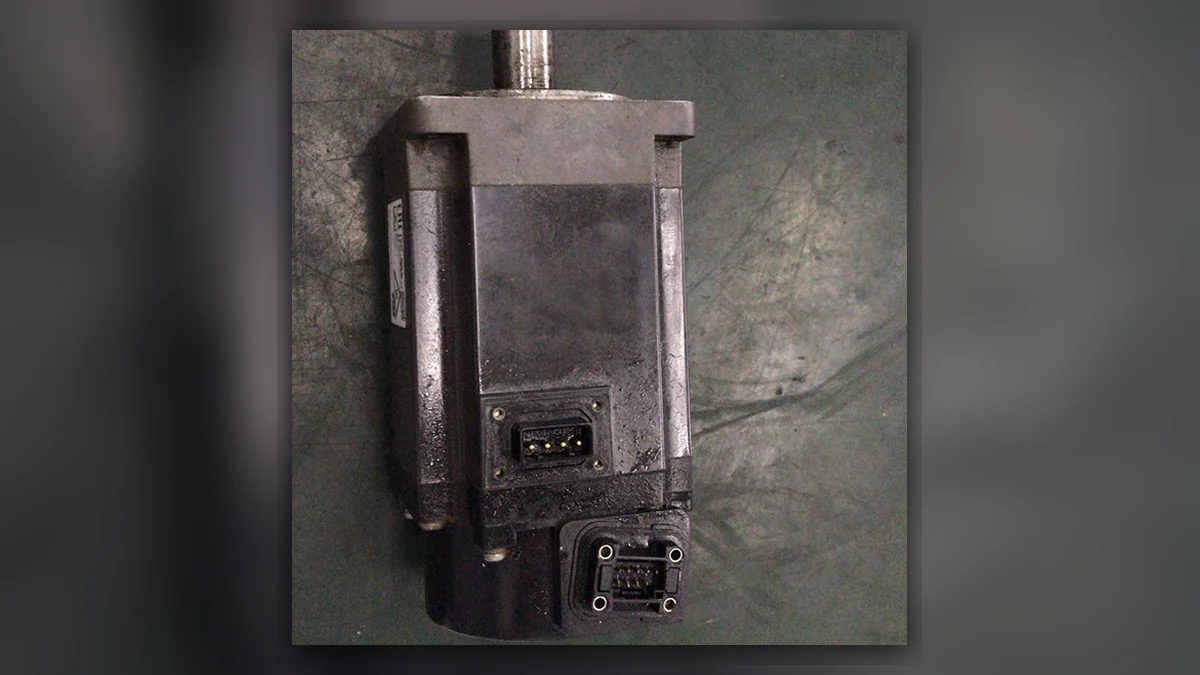
OTC Robot Servo Motor Repair
The servo motor in an OTC industrial robot is the core power unit of welding automation equipment, designed for mass production conditions involving continuous arc welding, spot welding, and reciprocating trajectory motion, with stable low speed torque, precise trajectory response, and strong resistance to thermal degradation, supporting high precision positioning and constant load output at welding stations over the long term.
Read article →