

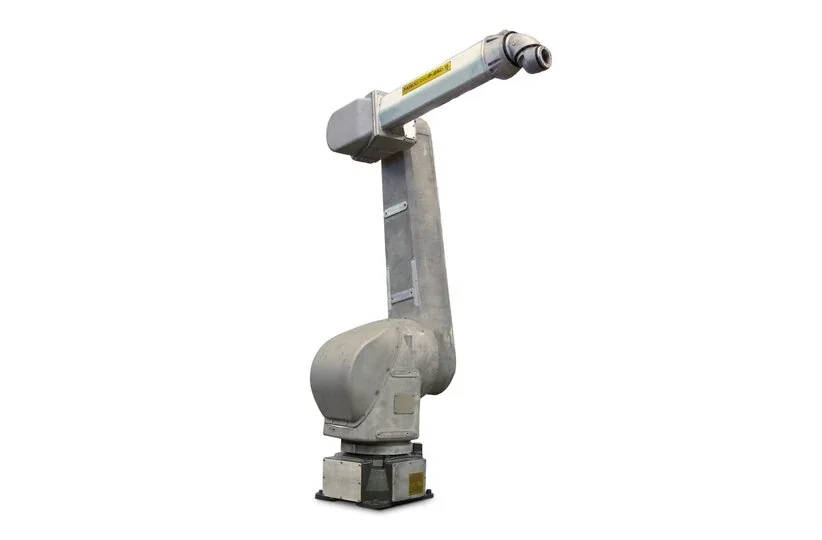
Automatic spray painting uses machine-controlled applicators to coat parts along a defined sequence. Automated paint spray systems combine guns, material supply, part handling and controls. A robotic paint sprayer adds programmed motion for suitable workpieces; the robot alone is not the complete painting system.
Use this guide to compare layouts, identify equipment and separate motion faults from coating faults. For a benefits or investment comparison, use the linked advantages guide. For vehicle bodies and automotive components, use the separate car-painting article.
This guide explains the main system parts, equipment differences and records needed for troubleshooting. It focuses on industrial cells and maintenance decisions. Use the installed equipment manuals and coating data sheet for actual limits and procedures.
How does automatic spray painting work?
A typical cycle links the part identity, position, paint supply and gun trigger. The details depend on the line. Fixed guns spraying a moving panel use a different motion arrangement from a robot following a shaped metal part.
- Present the part in its defined fixture or conveyor position.
- Select the approved program and coating recipe for that part.
- Coordinate motion, paint supply and applicator timing.
- Follow the specified part-change, color-change and cleaning sequence.
- Check the finish using agreed coverage, film and curing requirements.
For repeatable results, compare the same part, fixture, coating and program. A recipe change can alter the finish even when robot motion remains normal. Keep these changes in the fault record.
Main components of an automatic spray painting system
| System | Role | Record for maintenance |
|---|---|---|
| Applicator | Applies the coating. | Gun model, nozzle, mounting and trigger arrangement. |
| Paint supply | Feeds and, where required, mixes the coating. | Pump, regulator, material and mixing details. |
| Air and utilities | Supplies the services required by the equipment. | Specified quality, limits and observed conditions. |
| Motion and fixture | Sets the position of the part and applicator. | Robot or motion unit, tool and fixture reference. |
| Controls | Links programs, triggers and equipment status. | Controller, PLC, interface and alarm records. |
| Booth and curing | Provides the application and downstream process. | Booth configuration and coating process documents. |
Manufacturer system examples: Graco automated paint systems.
Automatic spray painting machine types
| Arrangement | Motion | Maintenance questions |
|---|---|---|
| Painting robot | A robot follows a programmed path around the part. | Are the tool, path, fixture and part reference unchanged? |
| Reciprocating equipment | The applicator repeats a defined travel pattern. | Are travel, trigger timing and line speed coordinated? |
| Fixed automatic guns | Parts pass mounted applicators. | Have gun position, part orientation or trigger timing changed? |
| Flat-line spraying machine | A handling line feeds parts through the spray zone. | Are handling references, edge coverage and cleaning conditions stable? |
Identify what the machine name includes. An automatic painting machine may be a spray unit, a robot package or a complete line. The words automatic paint sprayer can also describe handheld equipment, which is a different maintenance context.
For an automatic spray painting machine, keep the complete system identity with the robot records. A gun, pump or conveyor fault can stop a cell even when the robot itself is ready.
When does a robotic paint sprayer fit the workpiece?
A robotic paint sprayer can move the applicator around a suitable part to reach more than one surface. Evaluate access, part orientation and the installed hose routing. Fixed guns or a reciprocator may suit a repeatable surface with less complex motion. Test the actual geometry before choosing the layout.
| Application condition | Compare first | Trial evidence |
|---|---|---|
| Similar surfaces at a stable presentation | Fixed guns or repeatable reciprocating motion | Coverage across the full surface and line-speed range |
| Recesses, changing angles or several surfaces | Robot access, orientation and fixture positions | Reach, clearance, overlap and finish on difficult areas |
| Frequent color or product changes | Recipe control, cleaning and handling | Changeover time, cleaning material and accepted output |
A painting robot, an automatic gun and a complete line have different replacement requirements. Confirm the full part number, controller, supply and applicator configuration before proposing a substitute. Similar mounting dimensions do not establish a working match.
FANUC’s painting application overview shows industrial robot use across coating and finishing tasks. Match any example to the installed process and model.
Choosing and checking an automatic paint spray gun
An automatic paint spray gun receives a control signal rather than a hand-operated trigger. That does not define its spray method or coating compatibility. An automatic spray painting gun must match the material, mounting, utilities and control interface used in the cell.
- Identify the gun, nozzle, air cap and the specified application method.
- Use the coating data sheet and equipment documents to check material and cleaning requirements.
- Record recent nozzle changes, hose work, cleaning and trigger-setting changes.
- Check access to the mounting and service parts without assuming that similar guns share the same settings.
Manufacturer product reference: SATA automatic paint spray guns.
What should a trial of automated paint spray systems include?
Keep the workpiece, coating and acceptance standard clear. Include the least accessible surfaces, normal part variation and planned color changes. State whether the measured cycle covers loading, spraying, cleaning and unloading.
- Record approved recipe settings and the actual applicator model.
- Inspect representative parts for the specified film and finish requirements.
- Compare accepted output and rework, not robot travel speed alone.
- Record changes, stops and tasks that need operator intervention.
For cost and material-use calculations, see advantages of automatic spray painting systems.
Troubleshooting: motion fault or paint-process fault?
Start with the first changed condition. Record the last acceptable part and the first rejected part. Check whether the defect follows a path, one gun, one color or a part variant. Use that pattern to choose the next inspection.
| Assembly | Observed symptom | Compare before a repair decision | Records to provide |
|---|---|---|---|
| Robot, fixture and tool | A path or coverage shift follows a pose or part reference. | Check selected tool/fixture data, part presentation and accessible routing under the applicable procedure. | Full robot/controller labels, first alarm, axis pose, tool/load and path versions. |
| Applicator and nozzle | The spray pattern or trigger response changes while robot motion is consistent. | Compare the fitted gun, air-cap/nozzle identity, mounting and response using the supplier method. | Gun assembly and changed-part numbers, trigger timeline and last acceptable/first affected part. |
| Paint supply and color circuit | Coverage or color changes after a material, color or supply event. | Compare the approved material, recipe, cleaning sequence and delivery observations at their documented locations. | Material/batch and recipe, cleaning history, measurement method and actual readings with units. |
| Air and utilities | Atomization or device behavior changes during application. | Compare the fitted utility path and instrument location; a static supply reading may differ from the operating condition. | Equipment requirements, measurement point, instrument and operating-state readings. |
| PLC and spray interface | A request is present but ready, trigger or completion states disagree. | Trace request, physical response and returned state on one timeline using the installed signal map. | Signal names/directions, clock alignment, sample interval and first missing state. |
| Booth and curing | A defect appears or changes after the application or cure stage. | Compare part preparation, booth/cure records and the agreed inspection stage before assigning a robot fault. | Process version, cure record, sample locations, inspection method and acceptance criteria. |
Use the same workpiece, coating, recipe and inspection method when comparing automated paint spray systems before and after work. Record pressure, flow or film readings with their units, instrument location and process stage where those checks apply. A ready bit, a completed path and an accepted finish are separate observations. If the evidence does not identify the assembly, keep the diagnosis open rather than replacing a component from the symptom alone.
If robot motion is abnormal
Keep the robot and controller models, full alarm message and affected axis. Note the stage of the cycle and recent work. Compare the program, tool and fixture records before a part is replaced. Drive faults also need assessment alongside motor, feedback, cable and load conditions.
For that system-wide assessment, read industrial robotic arm repair.
If motion is normal but the finish changes
Compare the coating, gun parts, supply and process records with the last acceptable run. Inspect only under the equipment procedure. Avoid changing several settings at once: it makes the effect of each change hard to establish. Test one documented change against the same acceptance criteria.
No spray from an automated spray painting machine
When an automated spray painting machine follows its path but applies no paint, separate the trigger request from the actual response. Check the selected recipe and permitted spray state first. Record the trigger command, applicator response and material-delivery observations from the same cycle. A complete robot path does not prove that the gun opened.
| Observed condition | Next comparison | Keep with the record |
|---|---|---|
| No trigger request is sent | Compare the program step, spray permissions and selected recipe. | First missing permission and the installed signal name. |
| Trigger request is present; gun response is absent | Use the supplier procedure to distinguish the control interface from the gun mechanism. | Command timing, device state and applicable supply observations. |
| Gun responds; paint delivery is absent or unstable | Review the material circuit, selected color, cleaning state and delivery path. | Material identity, fluid-path changes and documented pressure or flow readings. |
Before opening a fluid path, use the equipment pressure-relief procedure. Electrostatic equipment also needs its specified shutdown and grounding checks. Keep the booth and protective functions active as required; a test setting from another gun is not a valid default.
Uneven coating: compare the part and the process
For robotic spray painting systems with an uneven finish, map the defect to the part. Does it follow a robot path, remain on one side of a spray pattern, or start after a color change? Compare that pattern with gun identity, part presentation and recipe history. Change one documented condition at a time; do not edit the robot path to hide an unverified supply fault.
Use the same inspection stage and measurement method before and after work. Record film results where required, plus coating batch, gun-to-part setup and cure conditions. The acceptance limit comes from the coating specification and equipment procedure. No single pressure or spray distance fits every automatic paint spray gun.
Maintenance records for automated spray painting
An automated spray painting maintenance record should identify the system and the work completed. Keep robot work separate from gun, pump, hose, fixture and booth work. This makes a later change in finish or cycle time easier to trace.
- Record cleaning and service work, including the parts and materials used.
- Keep program, tool and recipe versions with the relevant backups.
- Note the defect pattern and any measurements from the first affected run.
- State the checks completed after work and the conditions still awaiting validation.
Before a repair, replacement or system change
Compare the actual operating task before selecting automatic spray painting equipment. Record part geometry, fixture access, coating, planned output and the existing controls. For a replacement, identify the full part number and its supported configuration. Matching mounting dimensions alone does not establish compatibility.
Agree what the test will demonstrate. Use representative parts and state the finish checks, cycle boundary and run duration. Record material use per accepted part if it matters to the assessment. A result from a different line is not a measured result for the installed cell.
For a separate review of benefits and measurement, see advantages of automatic spray painting systems.
For the wider automotive context, read automatic car painting technology.
Prepare a painting robot repair request
Send the robot, controller, gun and supply-system models with the complete alarm or finish description. Add part photos, the event timeline, changed settings and tests already completed. State whether the question concerns motion, coating quality, a component match or installed verification.
Related service information: painting robot inspection and repair.
Submit the system details through the contact page.